

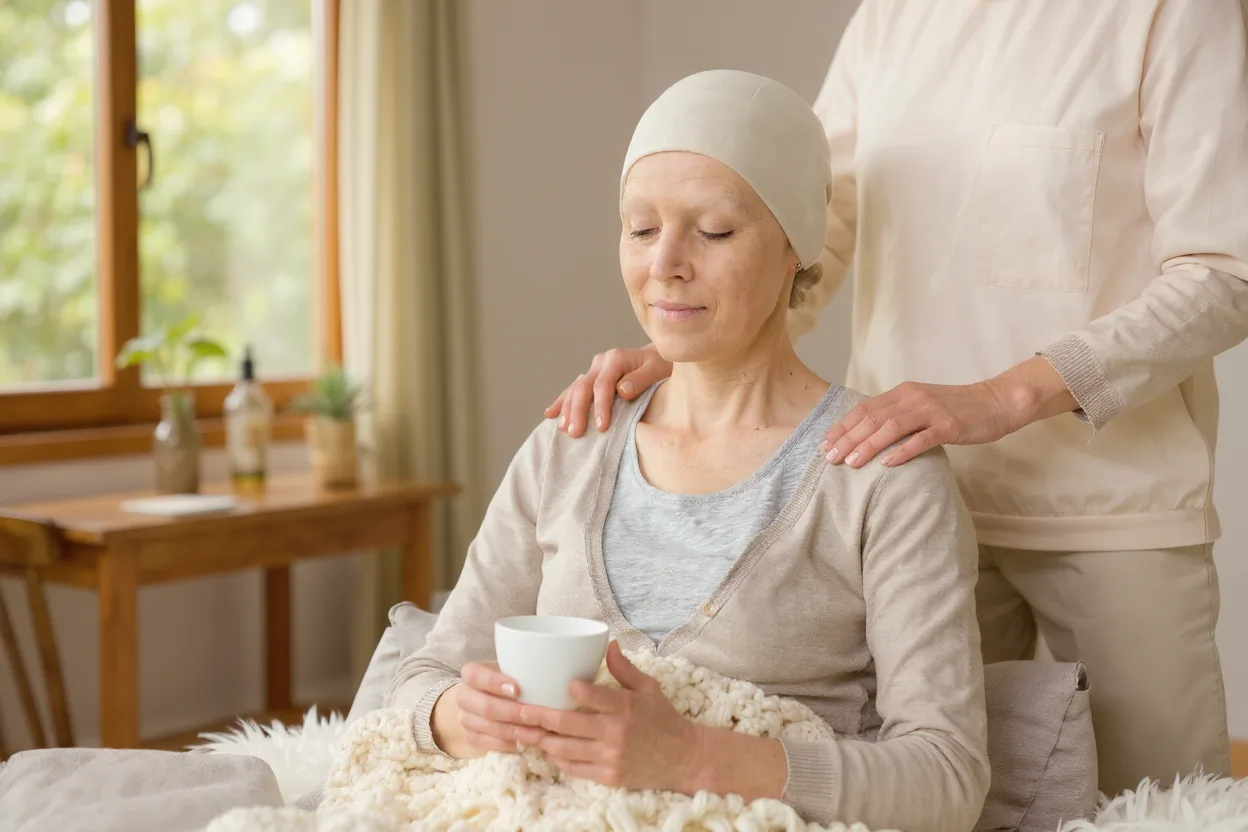
Cancer wasn’t even on my radar, professionally speaking. Then, last October, this weird thing happened – three different guests at my wellness retreats, all within a couple of weeks of each other, pulled me aside with basically the same question. One woman in her 40s cornered me after yoga, another sent a late-night email, and a third just blurted it out during check-in: “Do you think any of this Ayurveda stuff might help while I’m going through chemo?”
It caught me off guard, honestly. I mean, I’ve spent 20 years visiting wellness centers, but I’d always kind of skirted around the cancer question. Too serious, too medical, too many potential false hopes. But when that third person asked, something clicked. I realized I needed to actually figure this out – not just for them, but for all the others who weren’t asking out loud.
What followed was an 18-month deep dive into integrative cancer care across India – visiting specialized centers, interviewing practitioners, and talking with patients, combining medical treatments with traditional support. What I discovered was eye-opening, sometimes frustrating, but ultimately hopeful.
The Reality Check
Let’s start with the truth: traditional Indian wellness approaches don’t cure cancer. Full stop.
Anyone claiming otherwise is either misinformed or dishonest. I’ve sadly seen too many places making irresponsible claims.
What legitimate integrative approaches can do is potentially life-changing in a different way. They can help manage treatment side effects, support recovery, improve quality of life, and address aspects of healing that surgery, radiation, and chemotherapy don’t touch.
What Real Integration Looks Like
During my research visits to various centers, I noticed three different approaches to integrative cancer care:
Medical Hospitals with Wellness Programs
Some top cancer hospitals in India have started incorporating wellness therapies into their standard care. At a major oncology center in Mumbai, I was surprised to find yoga therapists and Ayurvedic practitioners working alongside oncologists.
The hospital director told me while showing us around. “Patients receiving appropriate complementary therapies often experience fewer side effects and better treatment tolerance.”
These hospitals typically offer:
- Yoga classes modified for cancer patients
- Nutrition counseling combining medical guidelines with traditional wisdom
- Mind-body techniques for managing treatment anxiety
- Gentle massage therapies (with oncologist approval)
Wellness Centers with Medical Oversight
The second model involves traditional wellness centers that have developed specialized cancer support programs under proper medical supervision.
At a naturopathy center in Kerala, every patient arrives with their oncologist’s treatment plan, which the center reviews carefully. Their complementary therapies are designed around this medical framework – supporting conventional treatment rather than replacing it.
“We’re part of the patient’s extended medical team,” the director explained over chai(Tea). “We’re in regular contact with their doctors, and we adjust our approaches based on their treatment phase.”
Recovery-Focused Retreats
The third approach focuses on post-treatment recovery. These centers help patients rebuild strength, process their experience, and reduce recurrence risk through lifestyle changes.
At a quiet retreat in the Himalayas, I met several women who had completed breast cancer treatment. Their days included gentle yoga, personalized nutrition, stress management, and group support.
Therapies That Actually Help
Through research and visits to various medical spas and wellness clinics, I found several approaches that seem genuinely beneficial when properly integrated with medical treatment:
Therapeutic Yoga
Not your typical yoga class! The sessions I observed were specifically designed for cancer patients and taught by instructors with additional medical training.
At a wellness clinic in Chennai, the instructor carefully modified each pose to accommodate surgical sites, port placements, and varying energy levels. The focus wasn’t on perfect poses but on gentle movement, appropriate stretching, and breath awareness.
“Regular yoga would have been impossible for me after surgery,” a patient told me. “But this adapted approach helped me reconnect with my body when I felt betrayed by it.”
Personalized Nutrition
Generic “cancer diets” are rarely helpful. The best centers create individualized plans based on the following:
- Cancer type and stage
- Current treatment protocols
- The person’s constitution
- Specific side effects they’re experiencing
- Personal food preferences
When visiting an Ayurvedic hospital with a specialized oncology support program, I watched as practitioners created detailed dietary plans for patients struggling with chemotherapy side effects. These weren’t miracle cures – just practical wisdom about food as medicine.
Mind-Body Approaches
Cancer isn’t just physically devastating – it’s an emotional earthquake. Traditional mind-body practices can address this dimension of healing:
- Meditation sessions focused on managing treatment anxiety
- Breathing techniques for sleep disturbances
- Guided imagery for pain management
- Group support combining traditional wisdom with modern psychology
Finding Legitimate Care: Red Flags and Green Lights
Not all wellness centers offering cancer support are trustworthy. Through my research, I identified several warning signs:
Avoid Places That:
- Claim to “cure” cancer with alternative therapies alone
- Suggest abandoning conventional treatment
- Want you to stop prescribed medications
- Use extreme or potentially dangerous practices
- Refuse to communicate with your medical team
Look For Centers That:
- Clearly state they complement (not replace) medical treatment
- Have staff with specific training in cancer care
- Willingly communicate with your oncology team
- Personalize programs to your specific situation
- Combine evidence-based approaches with traditional practices
The Future Looks Promising for Integrative Cancer Care
What excites me most after researching this field is seeing the growing collaboration between medical hospitals and traditional wellness approaches. The old divisions are breaking down as evidence mounts for an integrated approach.
At a recent medical conference in Delhi, oncologists and Ayurvedic practitioners presented joint research on managing chemotherapy side effects. Ten years ago, such collaboration would have been unthinkable.
For anyone facing cancer, this integration offers something precious: comprehensive care that addresses not just the disease but the whole person living with it.
If you or someone you love is on a cancer journey, consider exploring how legitimate integrative approaches might complement your medical treatment. The right wellness center – one that works alongside your medical team rather than against it – can make a meaningful difference in both recovery and quality of life.
For personally vetted wellness centers specializing in cancer support, visit MadAboutWellness.co. I’ve evaluated programs across India to identify those that truly understand how to complement medical cancer care safely and effectively.
