

Anxiety hit me during a workshop. My heart suddenly raced, my palms sweaty, and the terrible certainty I was dying right there on camera. My first panic attack. I was 28, overworked, and completely unprepared for how anxiety would physically hijack my body.
That terrifying day changed everything. After doctors found nothing physically wrong, I turned to my grandmother’s suggestions – traditional Indian practices she’d been telling me about for years. I was skeptical, honestly. But I was also desperate.
Five years later, I’m still amazed at how these ancient techniques transformed my relationship with anxiety. Through visiting hundreds of wellness centers across India (and experiencing plenty of treatments myself!), I’ve seen firsthand how our traditional practices offer something truly special for anxiety sufferers.
Let me share what actually works, based on my personal journey and two decades of visiting wellness retreats throughout India.
Pranayama: Breath Control That Actually Works
The first time someone told me breathing could stop a panic attack, I nearly laughed in their face. How could something so simple help something so overwhelming?
Then, I tried it during a panic spiral in a Mumbai traffic jam. Five minutes of alternate nostril breathing, and my racing heart actually slowed down. It felt like magic.
What I’ve learned since is that these breathing techniques directly interrupt the body’s fight-or-flight response. They’re like an emergency brake for your nervous system.
Last year, at a small retreat outside Rishikesh, I watched a stressed-out banker transform before my eyes. He arrived jumpy, irritable, and checking his phone constantly. After just three days of practicing pranayama, he was a different person – calmer, more present, and sleeping through the night for the first time in months.
Here are three breathing techniques I’ve personally found most helpful (and seen work for countless others):
1. Alternate Nostril Breathing
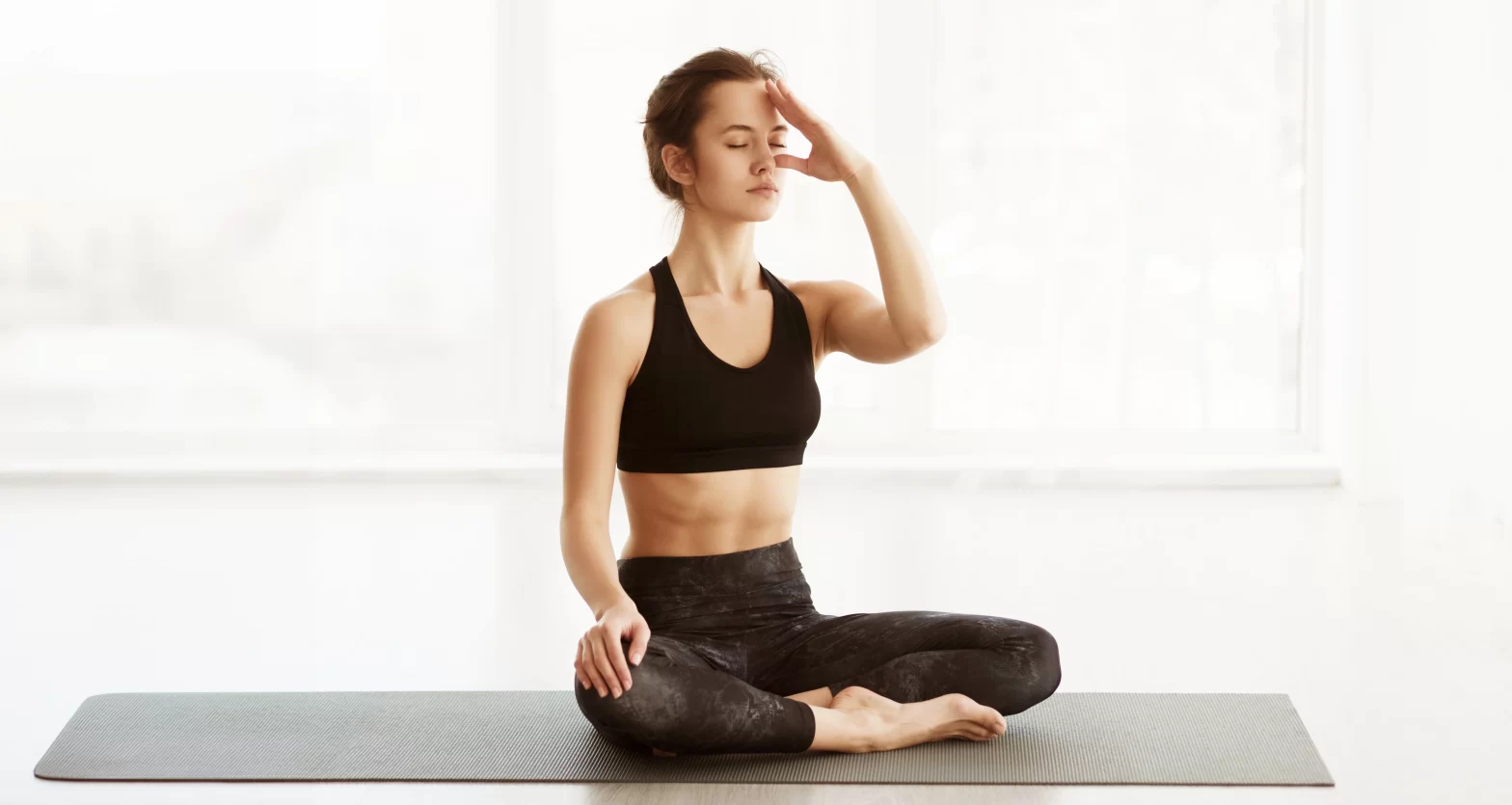
This one’s my go-to when I feel anxiety bubbling up. You simply close one nostril with your finger, breathe in through the open nostril, and then switch and breathe out through the other side.
It feels a bit weird at first (and yes, you look a bit strange doing it in public!), but the calming effect is almost immediate. Something about alternating between the nostrils seems to balance the nervous system quickly.
2. Humming Bee Breath
This one’s my favorite for bedtime anxiety. You basically make a humming sound like a bee while you exhale.
My yoga teacher in Kerala explained why it works so well – the vibration stimulates the vagus nerve, which triggers your relaxation response. Plus, you can feel the vibration in your head, which gives your racing thoughts something physical to focus on instead.
3. Equal Breathing
When I’m in situations where I can’t obviously do breathing exercises (like during meetings or on flights), this is my secret weapon. You just make your inhales and exhales the same length.
I start with counting to four for each breath, then gradually increase to six or eight counts as I calm down. Nobody around me even notices I’m doing it, but it centers me every time.
Meditation: Training Your Anxious Brain
Breathing techniques are great for immediate relief, but meditation is what’s given me lasting change. It’s harder, I won’t lie. The first meditation retreat I attended in the Himalayas was honestly torture – sitting with my anxious thoughts felt impossible.
But something shifts with regular practice. You start to see your anxious thoughts as just thoughts, not emergencies. You create some space between the trigger and your reaction.
I’m not naturally good at meditation (my mind is more like a hyperactive monkey), but these approaches have actually worked for me:
1. Simple Mindfulness
This was my gateway into meditation. Instead of trying to clear my mind (impossible!), I just noticed what was happening – “I’m feeling anxious,” “My shoulder is tense,” “I’m worrying about tomorrow.”
Just labeling my experiences without getting caught in their story helped break the anxiety spiral. A teacher at a Dharamsala retreat put it perfectly: “You’re learning to watch the traffic of your mind instead of getting run over by it.”
2. Yoga Nidra
This is basically a guided meditation done lying down. It’s sometimes called “yogic sleep” because you hover in this delicious state between waking and sleeping.
After my father’s death, when my anxiety was at its worst, a 30-minute yoga nidra session would reset my nervous system when nothing else worked. Something about the body scan process helps release tension you didn’t even know you were carrying.
3. Candle Gazing
This one surprised me. At a small ashram in Rishikesh, a teacher suggested I try focusing on a candle flame when my mind felt too chaotic for regular meditation.
The simple act of softly gazing at the flame gave my racing thoughts somewhere to rest. It’s become my go-to practice on particularly anxious days when sitting with closed eyes feels unbearable.
Finding the Right Support: Wellness Retreats That Actually Help
Not all wellness centers are created equal – something I learned the hard way after wasting money on a few “Instagram-worthy” retreats with little substance.
Through trial and error (and now professionally reviewing centers), I’ve found a few key things that separate truly helpful programs from the rest:
Look for Immersive Programs
Weekend workshops can introduce techniques, but real transformation needs more time. The most effective anxiety programs I’ve experienced were at least 7 days long.
At a center in Kerala, the doctor told me something I’ll never forget: “The first three days, we’re just undoing the knots. The real healing begins after that.” He was right. By day five, something had shifted fundamentally in how my body responded to stress.
Find Teachers With Real Experience
I once attended a “traditional” meditation program led by someone who’d completed a 6-week online certification. The difference between her instruction and learning from someone with decades of practice was night and day.
The best teachers I’ve found don’t just teach techniques – they embody them. They’ve used these practices to navigate their own mental health challenges and speak from lived experience, not just theory.
Focus on What You’ll Take Home
The true test of any wellness retreat is whether the benefits last after you return to real life. The best programs I’ve attended emphasized creating a realistic home practice.
A meditation teacher in Rishikesh gave advice I still follow: “Five minutes daily is better than an hour once a week.” She helped each participant create a mini-practice that would actually fit into their daily life – no hour-long meditation sessions required.
The Bottom Line
These ancient Indian practices aren’t magic pills. They require practice and patience. But after two decades of exploring them personally and professionally, I’m convinced they offer something uniquely valuable for anxiety sufferers.
Modern medicine certainly has its place (I’m not against medication when needed), but these traditional approaches give you tools that work immediately and last a lifetime.
If you’re struggling with anxiety, consider exploring these practices – whether through a dedicated wellness retreat in India or with qualified teachers closer to home. The techniques themselves are simple, but their impact can be profound.
For personally vetted wellness retreats specializing in anxiety management, visit MadAboutWellness.co. I’ve done the research, so you don’t have to waste time and money on places that don’t deliver.
